

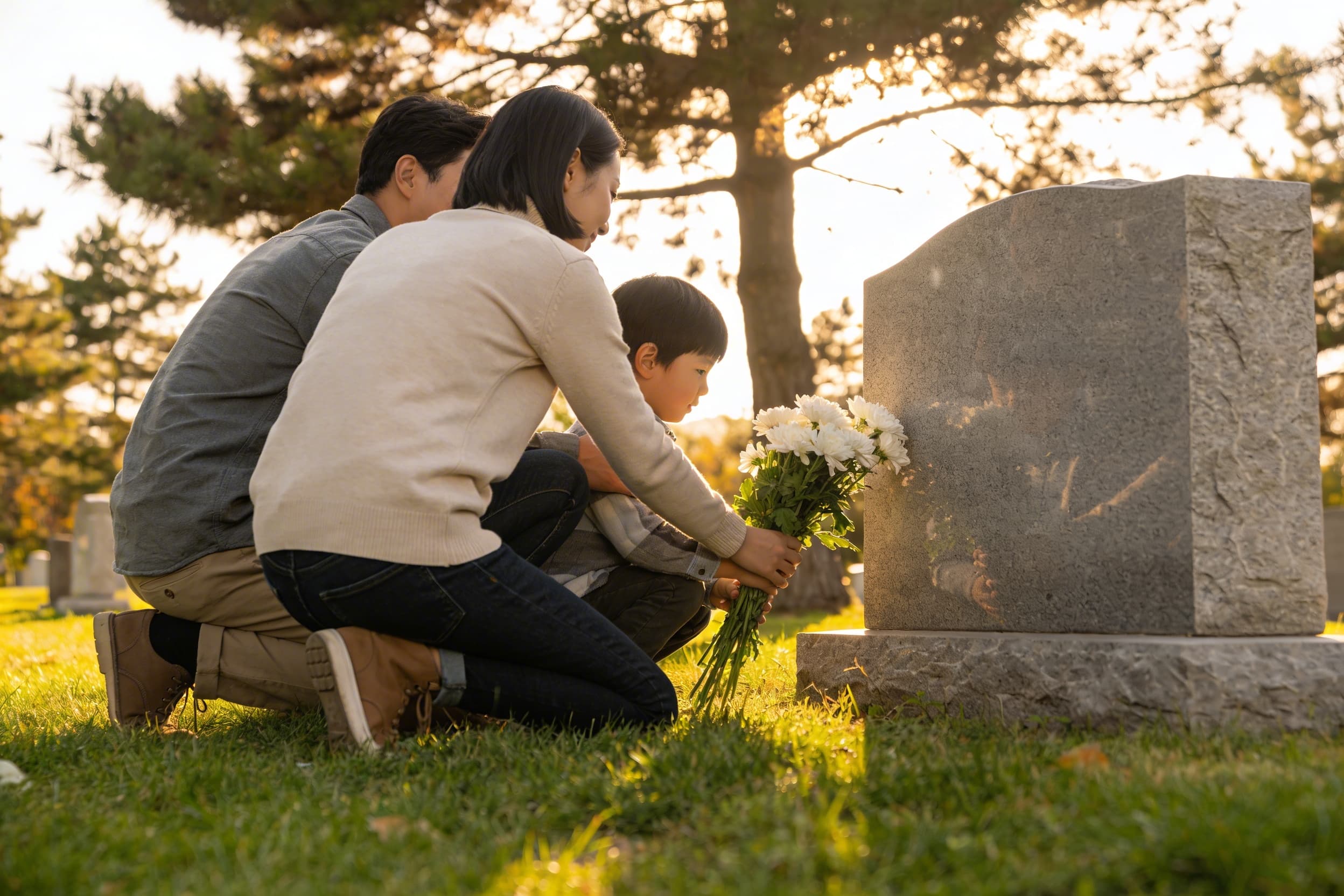
Public figures are remembered on a large stage, but the most useful ideas for everyday families are often the simplest ones.
Prepared for: Showbizworth
Why public memorials attract attention
When a well-known performer, athlete, writer, or community leader dies, the public memorial often blends ceremony with storytelling. Music, archival footage, clothing, quotations, and familiar symbols help audiences connect the public image with the person behind it. These events can be moving, but their scale can also create an unrealistic standard for private families planning under emotional and financial pressure.
The most transferable lesson is not spectacle. It is coherence. Strong memorials choose a few themes and repeat them with care. A life devoted to music may be remembered through one song, a short performance, and stories from collaborators. A person known for service may be honored through testimony and a charitable action. Families can use the same principle on any budget.
Tell a life through specific moments
General praise is respectful but can sound interchangeable. Specific memories create a recognizable portrait: the phone call made every Sunday, the unusual sandwich order, the way someone encouraged a nervous child, or the joke repeated at every holiday. Public tributes are most affecting when speakers move beyond achievements and describe human moments.
Ask participants for one scene rather than a complete biography. A three-minute story with a beginning, detail, and ending is easier to follow than a list of qualities. Designate someone to review contributions so the program avoids repetition and stays within a manageable length.
Use objects as evidence of a life
Stage costumes, instruments, awards, notebooks, and photographs often appear in public retrospectives because objects make an abstract legacy tangible. A family can apply this idea with ordinary belongings: a gardening glove, recipe book, work badge, fishing lure, handwritten list, or worn paperback. Value comes from the story, not the market price.
Select only a few pieces and label them for guests who may not know their significance. If an item is fragile, valuable, or private, display a photograph instead. The goal is not to turn the gathering into an exhibition but to provide openings for conversation and memory.
Choose a visual language
Public ceremonies often use a consistent palette, floral style, or image treatment. Families can create the same sense of care by choosing two or three visual cues connected to the person. A favorite color, local flower, craft material, or landscape can guide the program cover, table arrangement, and photo display without becoming a rigid theme.
Restraint protects dignity. Avoid covering every surface with symbols or purchasing decorations that have no personal connection. Borrowed frames, natural materials, and objects from home can feel more authentic than a coordinated package. Test the display from a guest’s viewpoint and remove anything that distracts from the central portrait or speaking area.
Let music do a specific job
Music can welcome guests, mark transitions, support reflection, or close the gathering. Each function calls for a different selection. A favorite upbeat song may be perfect as people leave but disruptive under a reading. Lyrics should be reviewed in full, especially when a familiar chorus hides verses that do not fit the occasion.
Keep the playlist downloaded and available offline, appoint one person to control playback, and test speakers before guests arrive. For livestreamed or recorded events, licensed music may be muted or blocked by a platform. Families should check venue and streaming rules rather than assume personal access to a song permits public broadcast.
Make the memorial vessel part of the story
At cremation services, the vessel can act as a focal point, but it does not need to carry every symbol associated with the person. Families browsing urns can choose a design that supports the event’s visual language—warm wood for a natural setting, simple metal for a modern service, or a biodegradable option for a planned earth or water ceremony.
Practical details remain essential. Confirm capacity, closure, exterior dimensions, delivery time, and the final destination after the service. If the vessel will enter a niche, measure the interior space. If ashes will be scattered, decide whether the display vessel is temporary or whether a portion will remain in a keepsake.
Balance the public and private person
Public figures often have a professional image that does not fully represent family life. Everyday families face a similar, smaller version of that tension when coworkers, neighbors, friends, and relatives knew different sides of the deceased. A balanced program can include several voices without trying to force them into one account.
Set respectful boundaries. Not every private story belongs in a public room, and surprise disclosures can hurt relatives. Speakers should avoid unresolved disputes, confidential information, and humor that requires context the audience does not have. A trusted coordinator can ask for outlines in advance while preserving each speaker’s voice.
Design participation instead of passive viewing
The strongest tributes give guests a way to contribute. A memory card, shared photo folder, guest book, recipe collection, or recorded message station can capture stories the immediate family has never heard. Provide a clear prompt such as ‘What did this person teach you?’ rather than a blank page that may feel intimidating.
Decide who will preserve the contributions and how privacy will be handled. Online forms should not automatically publish submissions. Physical cards can be stored in an archival box or scanned for relatives. Participation should remain optional, and the memorial should not feel like content collection for social media.
Use technology with a backup plan
Video montages and livestreams can include distant friends, but technology is most helpful when it remains invisible. Keep videos concise, use high-resolution copies when available, and confirm names and dates. Test the exact laptop, adapters, projector, internet connection, and audio system at the venue.
Prepare a backup on a local drive and print the speaking order. Assign one person to troubleshoot so the family is not handling cables during the service. If a livestream fails, the ceremony should still make sense in the room. A recording can be shared afterward with permission from speakers and attendees.
Edit photographs and video into a narrative
A slideshow is most effective when it has shape. Begin with a welcoming image, move through a few clear periods of life, and end with a photograph that leaves the audience grounded rather than abruptly stopping. Avoid including every available picture. Repetition and excessive length can make guests focus on the screen instead of the person being remembered.
Use captions sparingly but accurately. Confirm names, relationships, locations, and dates with someone who knows the family history. Crop copies rather than original files, and do not stretch low-resolution images until they become distracting. If a photograph includes someone who may not want it shared publicly, seek permission or keep the montage within the private service.
Keep social media secondary
Public mourning now unfolds online, but a memorial should not be designed mainly for posting. Ask before photographing the vessel, close relatives, children, or emotional moments. Some guests may welcome a shared hashtag or online album; others may want the gathering to remain private.
State expectations gently at the entrance or in the program. If the family shares an announcement, identify one accurate page so dates and details do not spread through screenshots. Afterward, consider whether accounts should be memorialized, archived, or managed according to the platform’s policies and the person’s known wishes.
The most memorable element is truth
Large public tributes can offer ideas, but families do not need a stage, professional video, or elaborate décor to honor someone well. A clear story, a few meaningful objects, thoughtful music, and room for participation can create a gathering that feels complete.
The standard is not whether the memorial looks impressive from the outside. It is whether the people who knew the deceased recognize the life being described. Authenticity gives even a small gathering its power, and it is the element no budget can manufacture.