

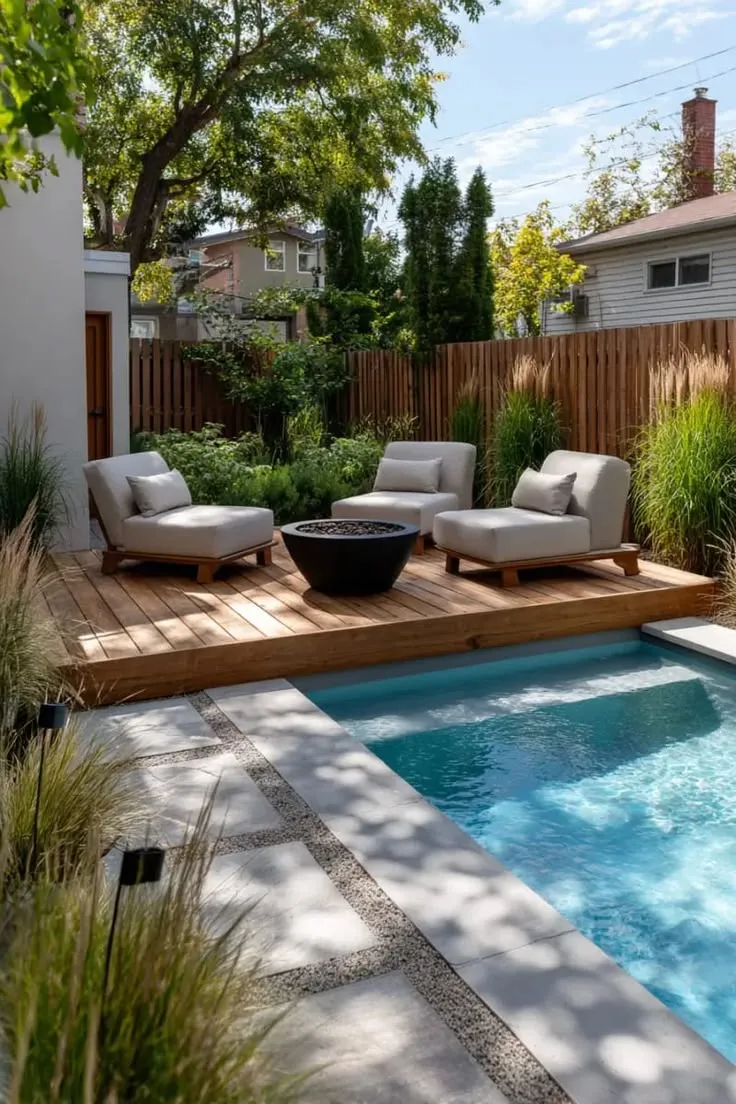
A backyard pool can become the center of family gatherings during California’s warmer months. However, the surrounding deck plays an equally important role in making the space comfortable and practical. Bare concrete can become unpleasantly hot, while worn finishes and slippery areas may create problems around water. Homeowners comparing the best pool deck coating options should consider more than decorative colors. Surface temperature, traction, sunlight exposure, drainage, and regular maintenance all influence how well a poolside area works throughout the swimming season.
Understand the Challenges of Poolside Concrete
Pool decks experience conditions that differ from ordinary patios. Splashed water, sunscreen residue, pool chemicals, and frequent barefoot movement can affect the surrounding surface.
In Bakersfield, high summer temperatures create additional concerns. Dark concrete exposed to direct sunlight can become uncomfortable underfoot. Surface selection should therefore consider heat exposure alongside durability and appearance.
Look at the Deck’s Existing Condition
Before planning decorative changes, examine the concrete for cracks, uneven sections, loose coatings, and areas where water collects. These problems can influence whether a new treatment is appropriate.
Minor cosmetic deterioration may require different attention from significant structural movement. Homeowners should investigate persistent drainage problems before applying another surface finish. A protective coating cannot correct every defect in the underlying concrete.
Make Safety Part of the Design
Wet feet and poolside surfaces are a combination that deserves careful attention. Highly smooth finishes may offer insufficient traction when water is present, depending on the product and surface conditions.
Suitable texture can help improve grip, although no coating eliminates slipping risks entirely. Families should also consider pool fencing, clear walkways, appropriate supervision, and the safe placement of outdoor furniture.
Choose Colors With Heat in Mind
Deck color affects the appearance of an outdoor space and may influence how much solar heat a surface absorbs. Lighter shades often absorb less sunlight than darker alternatives, although actual temperatures depend on the coating and environmental conditions.
A warm beige, soft gray, or other neutral finish may complement existing landscaping. Before selecting a color, homeowners can ask about available samples and whether the product has relevant temperature-performance information.
Understand Different Coating Systems
Poolside concrete needs materials suitable for outdoor exposure. Certain epoxy products may discolor or degrade under prolonged ultraviolet light unless appropriately protected.
A professional epoxy coating company can explain whether a polyaspartic, polyurea, or another exterior-rated system is appropriate. Product selection should account for sunlight, moisture, chemical exposure, and traction requirements rather than relying solely on the coating’s appearance.
Improve Comfort Beyond the Flooring
A comfortable pool area involves more than resurfacing concrete. Shade, seating arrangements, lighting, and accessible storage can significantly influence how often the space is used.
Homeowners may consider:
-
Shade structures positioned near seating areas.
-
Outdoor furniture suitable for wet conditions.
-
Clearly defined walkways around the pool.
-
Convenient storage for towels and pool accessories.
-
Adequate lighting for evening outdoor activities.
These additions can create a more welcoming setting while helping prevent clutter around the swimming area.
Prepare the Surface Before Installation
Even a high-quality coating depends on appropriate preparation. Old finishes, contamination, and weak surface material may interfere with adhesion if they remain on the concrete.
Mechanical grinding and suitable repairs may be required before installation. Contractors should also consider moisture and weather conditions when scheduling the work. Preparation methods must follow the requirements of the selected coating system.
Plan Renovations Around Swimming Season
Pool deck improvements may temporarily restrict access to the swimming area. The installation schedule depends on the existing surface, preparation requirements, coating materials, and curing conditions.
Homeowners should ask when the deck can safely accommodate walking, furniture, and regular poolside activity. Planning the project before the busiest swimming period may help avoid unnecessary disruption to family gatherings.
Maintain the Deck Throughout the Year
Outdoor coatings still need routine care. Removing leaves, dirt, and debris can prevent buildup, while prompt cleaning helps manage sunscreen and other residues.
Use products compatible with the installed finish and avoid abrasive cleaning methods unless approved by the manufacturer. Periodic inspections can identify damaged areas before they become more extensive. Drainage should also be checked after heavy rainfall.
Conclusion
A successful pool deck renovation balances comfort, appearance, safety, and long-term maintenance. Homeowners should evaluate existing concrete, understand outdoor coating limitations, and select finishes appropriate for wet conditions and strong sunlight. Shade, furniture placement, and regular cleaning can further improve the usefulness of the space. For residents considering professional pool deck improvements around Bakersfield and Kern County, huskycoatings.com provides information about exterior concrete coating systems. Careful planning can help create a backyard environment that remains inviting during warm weather while supporting practical everyday use.